





















Angry that your favorite Red Lobster closed down? Wall Street wizardry had a lot to do with it.
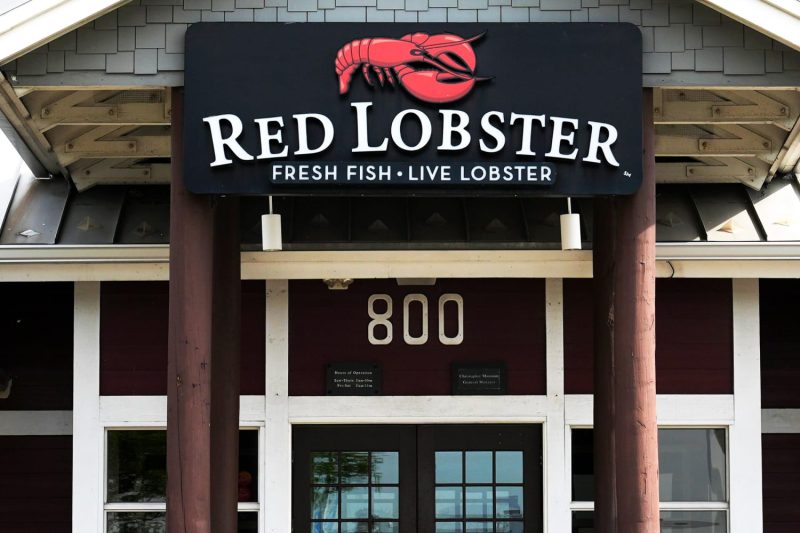
Red Lobster was America’s largest casual dining operation, serving 64 million customers a year in almost 600 locations across 44 states and Canada. Its May 19 bankruptcy filing and closing of almost 100 locations across the country has devastated its legion of fans and 36,000 workers. The chain is iconic enough to be featured in a Beyonce song.
Assigning blame for company failures is tricky. But some analysts say the root of Red Lobster’s woes was not the endless shrimp promotions that some have blamed. Yes, the company lost $11 million from the shrimp escapade, its bankruptcy filing shows, and suffered from inflation and higher labor costs. But a bigger culprit in the company’s problems is a financing technique favored by a powerful force in the financial industry known as private equity.
The technique, colloquially known as asset-stripping, has been a part of retail chain failures such as Sears, Mervyn’s and ShopKo as well as bankruptcies involving hospital and nursing home operations like Steward Healthcare and Manor Care. All had been owned by private equity.
Asset-stripping occurs when an owner or investor in a company sells off some of its assets, taking the benefits for itself and hobbling the company. This practice is favored among some private-equity firms that buy companies, load them with debt to finance the purchases and hope to sell them at a profit in a few years to someone else. A common form of asset-stripping is known as a sale/leaseback and involves selling a company’s real estate; this type of transaction hobbled Red Lobster.
In recent years, private-equity firms have invested heavily in all areas of industry, including retailers, restaurants, media and health care. Some 12 million workers are employed by private equity-backed firms, or 7 % of the workforce. Companies bought out and indebted by private equity go bankrupt 10 times more often than companies not purchased by these firms, academic research shows. In a report this month, Moody’s Ratings said leveraged buyouts like those pursued by many private-equity firms drive corporate defaults higher and reduce the amounts investors recover when the companies are restructured.