

























Using Support and Resistance in Trading
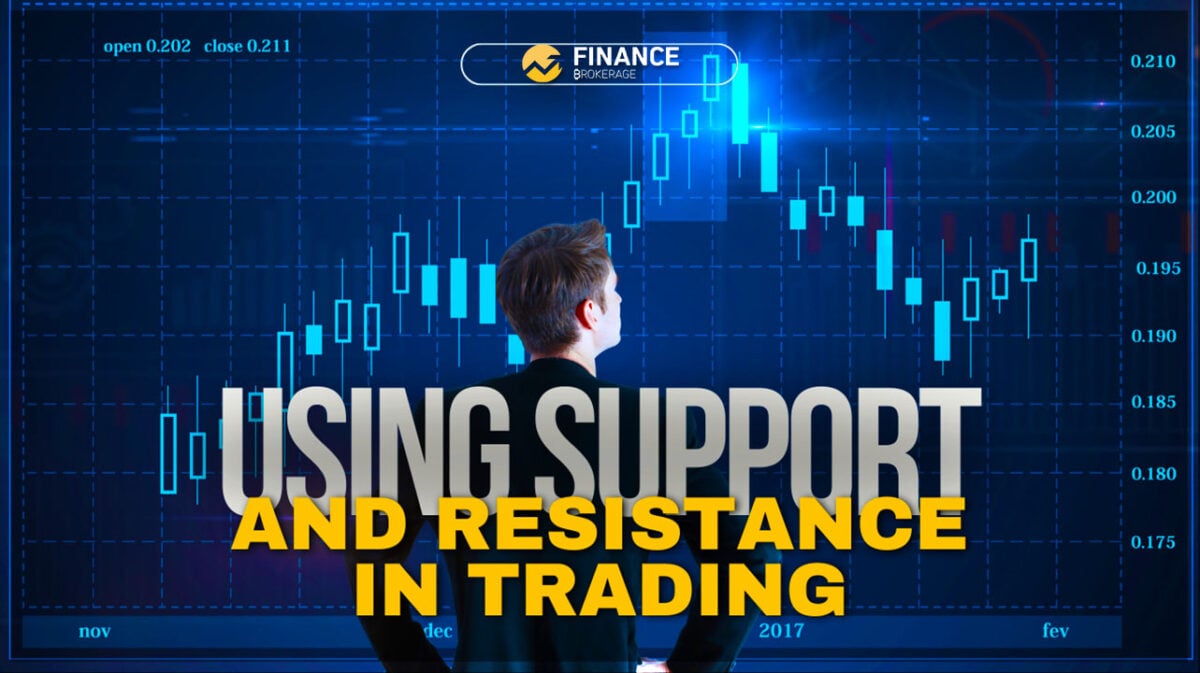
Support and resistance levels are two fundamental concepts in technical analysis. These are essential tools that involve historical price data analysis and identification of patterns and trends to help make future price movement forecasts and wise trading decisions.
Support indicates a security or asset’s price level that will likely find buying interest, reducing the price to decline further. Also, it represents a level where an asset’s demand is considered stable enough to combat selling pressure, leading to a recovery in its price. Support levels are commonly seen as horizontal lines or zones on a price chart, showing where values previously reversed from a downtrend to an uptrend.
Meanwhile, resistance shows that the price level will likely face selling pressure that could limit the price to spike. In addition, it represents the point where the asset’s supply surpasses demand, which may lead to price fluctuations. Unlike support, horizontal lines of resistance show the change of direction from an uptrend to a downtrend.
Before using support and resistance, one must understand typical asset movements first. It would help in interpreting support and resistance from the framework better.
When using support and resistance, the primary trading method is to buy near support in uptrends or where prices are moving upwards and to sell near resistance in downtrends or where prices are moving downwards.
Support and resistance levels help in pointing to the direction of a trend. Support levels commonly show potential entry points for buying in an uptrend, while resistance mainly indicates possible exit points for selling in a downtrend.
In downtrends, resistance may provide opportunities to enter short positions. Meanwhile, support levels may be potential targets for selling securities or reversal signals.
Although buying and selling based on these levels can pay off, there is no guarantee that support or resistance will hold.
Remember that support and resistance are dynamic, so traders’ trading decisions should be aggressive, too.
The post Using Support and Resistance in Trading appeared first on FinanceBrokerage.